
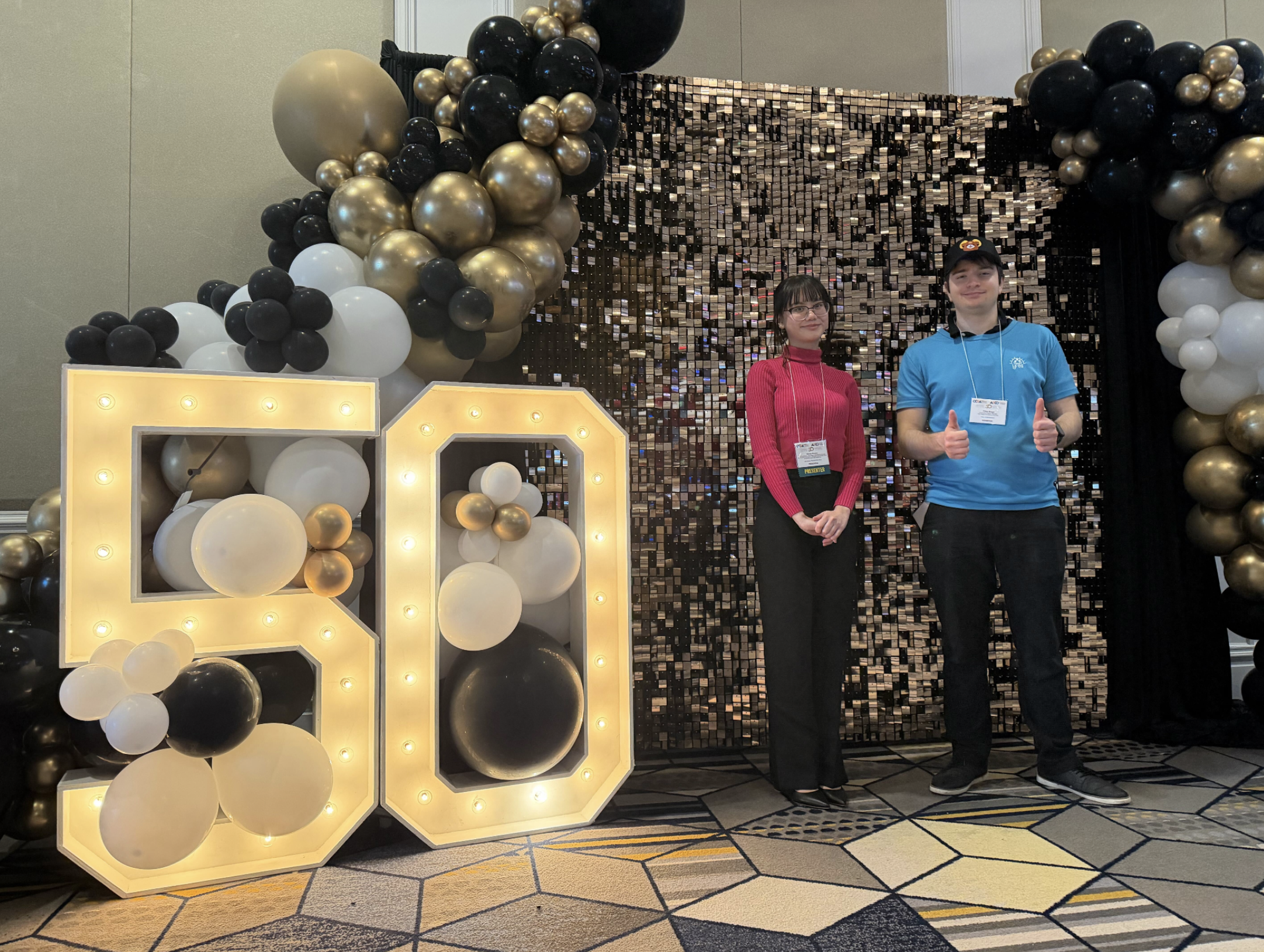
Their workshop introduced the 2025–2026 Co-op Playbook, a resource co-developed by York Region Educational Services (YRES) to support co-op students, supervisors, and educators. The session focused on one central idea: student voice matters in co-op education. Through student reflections, supervisor insights, and educator discussion, the presentation explored how co-op placements can better support students as they build confidence, workplace skills, and career awareness.
"Hearing first-hand experiences of co-op success and impact from teachers really brought our work as supervisors with high school placements into perspective, and reinforced the need for real-life insights from peers to help students excel during co-op."
 Hanna Acuna Co-op Supervisor & Lead Author of the Playbook
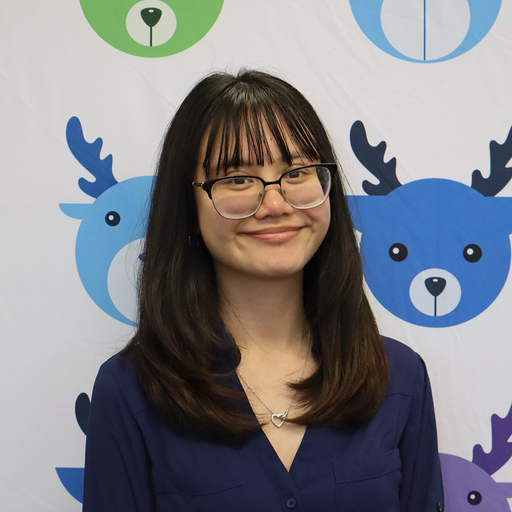
Throughout the workshop, Hanna and Filipe highlighted common challenges that students may face at the beginning of their placements. These included low confidence, uncertainty about expectations, difficulty communicating with adult colleagues, and hesitation to take initiative or ask questions. Many educators in attendance shared that these challenges are common across different school boards and placement settings.
A key part of the presentation was the introduction of the Co-op Playbook, which provides guidance for different types of placements, including in-person, hybrid, and remote co-op opportunities. The playbook emphasizes the importance of clear onboarding, structured training, weekly check-ins, reflection activities, and consistent communication between students, supervisors, and co-op teachers.

The session also included interactive discussion through audience questions. Attending educators and advisors shared their experiences supporting students, including stories of students who gained confidence, re-engaged with school, discovered new career interests, or even returned later as placement hosts themselves. These examples showed that co-op education can create long-term impact beyond a single placement.
Student perspectives were also central to the workshop. Co-op students from YRES and its partners shared experiences from roles such as HR assistant, digital marketing assistant, web development assistant, and project coordinator. Their reflections showed how supportive supervisors, positive feedback, and a welcoming team environment can help students feel more comfortable asking questions, taking initiative, and contributing to real projects.
"Presenting at the Ontario Cooperative Education Association Spring Conference was a meaningful opportunity to share how student voice can shape stronger co-op experiences. Hearing educators reflect on similar challenges and successes reinforced the importance of collaboration in helping students build confidence and succeed in the workplace."
Filipe Braga Community Program Manager
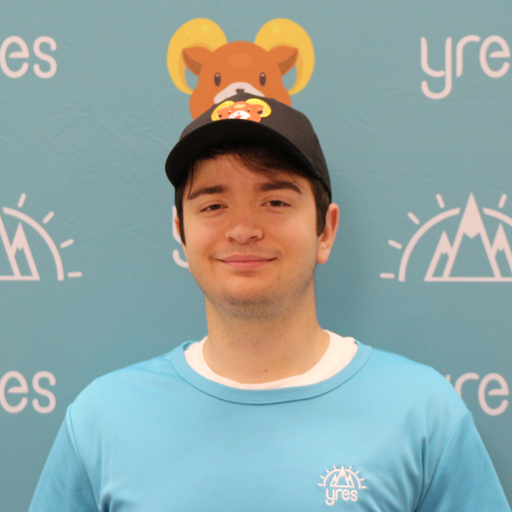
One major theme from the session was that success in co-op does not look the same for every student. For some, success may mean gaining employment after a placement. For others, it may mean building confidence, improving communication, learning how to complete tasks independently, or discovering what type of career path they want to explore next.
The workshop also highlighted YRES's flexible co-op opportunities. Students from regions outside York Region may be able to participate in remote placements, making the program more accessible to students who may not have local opportunities in their area of interest. The presenters also shared that students may be eligible to earn co-op credits and access school-supported grants through their placements.
"It was inspiring to be part of the 2026 OCEA Spring Conference and celebrate 50 years of co-op education in Ontario. The conversations highlighted how impactful these programs can be when students are supported with the right tools, guidance, and opportunities to grow."
Carey Director

Frequently Asked Questions
1 What challenges do co-op students often face at the start of placement?
Students may struggle with confidence, communication, unclear expectations, or taking initiative. The session emphasized that clear onboarding, regular check-ins, and encouragement from supervisors can help students adjust.
2 What does the Co-op Playbook help with?
The Co-op Playbook provides guidance for students, supervisors, and educators. It includes support for in-person, hybrid, and remote placements, helping everyone better understand expectations, communication, and student growth.
3 Can students outside York Region join YRES co-op placements?
Yes. The session shared that remote co-op placements may be available for students outside York Region, especially when local placements are not available in their field of interest.